
Navigating Manila Streets Using Tagalog Direction And Transportation Words

Author
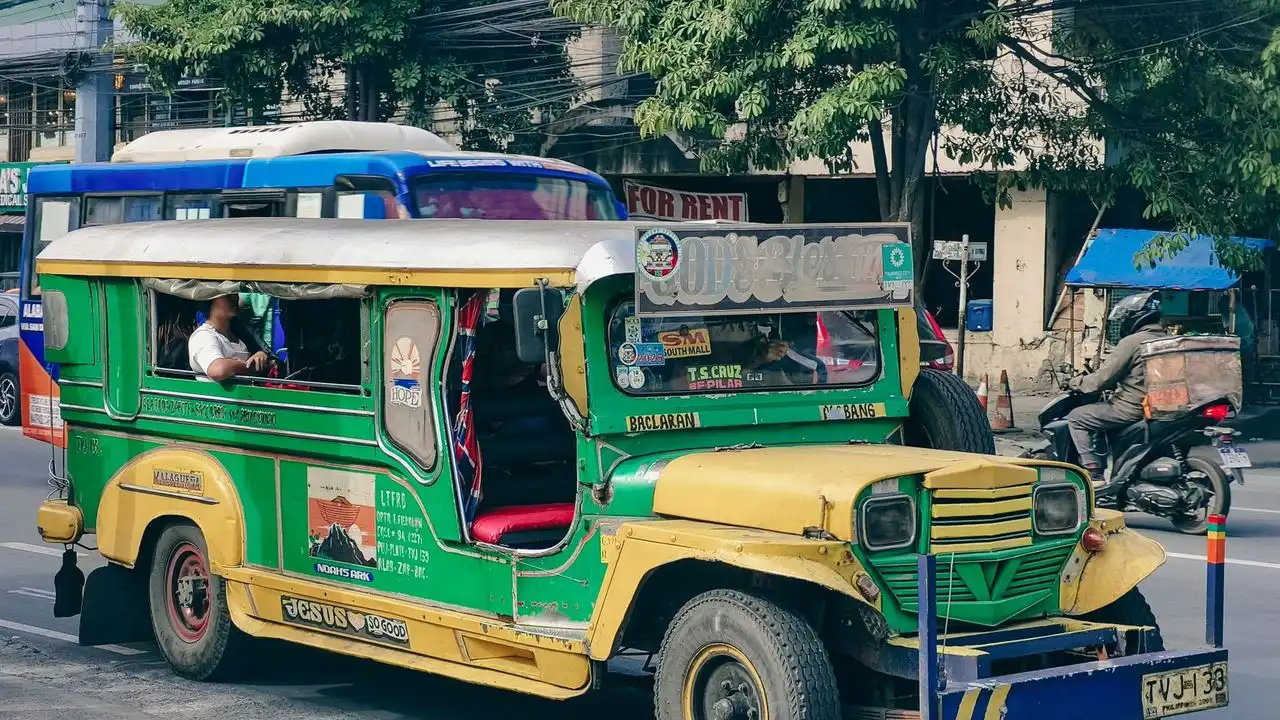
Getting around Manila requires a basic understanding of local transportation and direction vocabulary.
The city is famous for its busy streets and unique public vehicles like the jeepney.
Knowing a few specific Tagalog words will make your daily commute much easier.
I’ll show you the exact words and phrases you need to navigate Manila confidently.
Table of Contents:
Common modes of transportation in Manila
Manila has a diverse public transportation system that operates a bit differently from Western countries.
The most iconic vehicle you’ll see is the jeepney.
Jeepneys follow specific routes and passengers simply hop on the back and pass their fare forward.
For shorter distances, locals use the tricycle, which is a motorcycle with an attached sidecar.
You’ll also find standard buses, taxis, and elevated trains like the LRT and MRT.
Here’s a list of the most common transportation words in Tagalog.
| English | Tagalog |
|---|---|
| Transportation | Transportasyon |
| Jeepney | Dyip |
| Tricycle | Traysikel |
| Bus | Bus |
| Train | Tren |
| Taxi | Taksi |
| Fare | Pamasahe |
| Change (money) | Sukli |
| Passenger | Pasahero |
| Driver | Drayber |
Essential Tagalog direction words
Knowing how to tell a driver where to go is essential for getting to your destination.
Most Filipino drivers understand English direction words perfectly well.
However, using the Tagalog equivalents will help you communicate faster and avoid misunderstandings.
These words are especially useful when directing taxi or tricycle drivers through smaller residential streets.
Memorize these basic Tagalog direction words.
| English | Tagalog |
|---|---|
| Right | Kanan |
| Left | Kaliwa |
| Straight ahead | Diretso |
| Stop | Para / Hinto |
| Corner | Kanto |
| Near | Malapit |
| Far | Malayo |
| Here | Dito |
| There | Diyan (near) / Doon (far) |
Useful Tagalog phrases for riding a jeepney or tricycle
Riding a jeepney requires you to interact directly with the driver and your fellow passengers.
You need to announce when you want to pay and when you want to get off.
There are no strict bus stops for jeepneys, so you simply tell the driver to stop when you’re near your destination.
Here are the most common phrases you’ll use during a ride.

Para po.
Bayad po.
Makisuyo po.
Sukli ko po.
Sa kanto lang po.
Asking for directions in Tagalog
Sometimes you’ll need to ask locals for help finding a specific street or landmark.
Filipinos are very hospitable and will gladly point you in the right direction.
You can start your sentence with a polite greeting before asking your question.
Using the word po shows respect, especially when talking to older people or strangers.
Here’s how you can ask for directions.
Makisuyo po, saan po ang istasyon ng tren?
Paano po pumunta sa Makati?
Malapit lang po ba dito?
Malayo po ba ang terminal ng bus?
Kumanan po kayo sa susunod na kanto.
You’ll quickly find that navigating the busy streets of Manila becomes a much smoother experience.